New report examines evolving role of public libraries in media literacy and news access
If you’ve ever opened your library’s digital resources page and wondered, “Wait — where do I actually get the newspapers?” this report lands right in that messy middle ground.
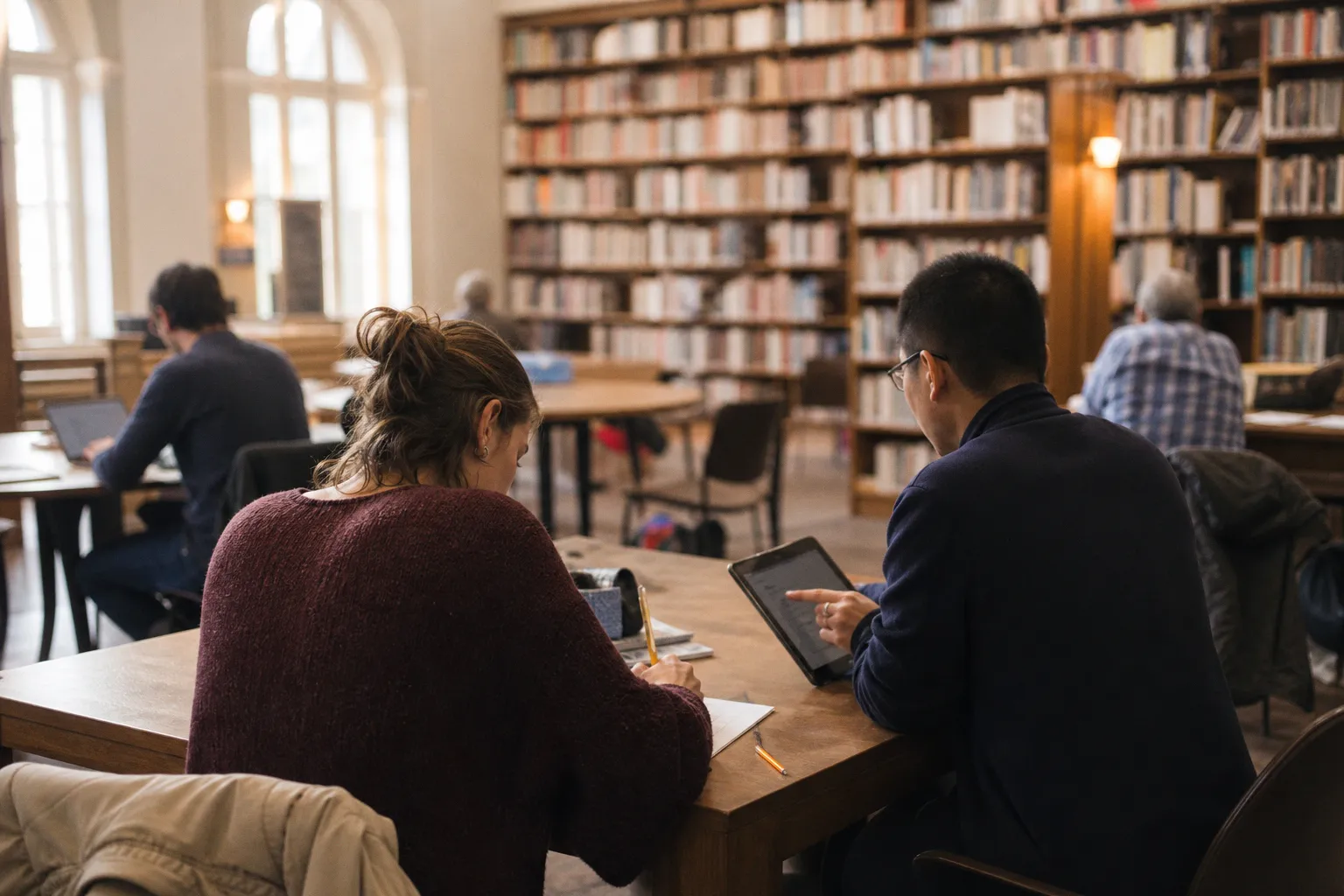
Libraries are becoming access desks, not just quiet rooms
The report is based on survey responses from more than 900 public library professionals across North America. Its focus is not just whether libraries offer digital newspapers, magazines, or books, but how patrons actually navigate those resources once they are available.
That distinction matters. A library can subscribe to a digital news platform, but you still need to know:
- whether access works from home or only inside the library;
- whether you sign in with a library card, institutional login, or a temporary access code;
- whether newspaper editions are full e-paper replicas, article feeds, magazines, or a mix;
- whether the platform supports reading apps, saving, printing, or language filters.
The report says public libraries are helping patrons evaluate sources, navigate digital content, and access trustworthy information in everyday interactions, including at the reference desk. In other words, the librarian is increasingly part access troubleshooter, part media literacy guide.
For readers trying to keep costs manageable, that is useful. Before you pay for a separate newspaper subscription, it is worth checking your public library’s digital newspaper bundle. PressReader, the report’s sponsor, is described as a platform that provides access to newspapers, magazines, and books through public libraries in the United States and globally.
The friction point: digital access is still hard for many patrons
One of the clearest findings is that digital access itself remains a barrier. According to the report, more than 65% of respondents said patrons struggle to use digital resources.
That should sound familiar if you’ve ever bounced between a library website, a vendor login screen, and a newspaper app without knowing which password belongs where. The report identifies several barriers library workers see among patrons, including lack of awareness of available resources, limited digital skills, technology challenges, and unreliable internet access.
For your own setup, this suggests a practical checklist:
- Start at the library’s official database or “digital resources” page, not a general web search.
- Look for named platforms that include newspapers, magazines, or e-paper editions.
- Check whether remote access is allowed with your library card.
- If the app asks for an institution, search for your library system rather than the newspaper title.
- If the login fails, ask the library whether access requires a browser session first.
This is where many readers give up too early. The report’s point is that media literacy support is now embedded in library service, from formal programs to daily help. So if the route to a newspaper PDF or replica edition is confusing, asking the reference desk is not a workaround — it is part of the service model.
What to watch before choosing your next news subscription
The report also points to pressure inside libraries themselves. Staff training emerged as the top investment needed to meet growing demand for digital literacy support. Library workers also cited technology and digital resources as important investments for strengthening media literacy work.
For readers, that means availability may vary widely. One library may offer seamless access to a large digital news bundle; another may have fewer resources, limited staff time, or a less obvious login path. The smart move is not to assume every public library gives the same level of newspaper access.
If you are comparing your options, think in tiers:
- If you read broadly across many newspapers and magazines, a library-supported platform may be the most cost-effective first stop.
- If you need one specific newspaper every day, especially for archives or a particular regional edition, you may still need a direct subscription.
- If you mainly need help separating credible reporting from noisy feeds, library media literacy programs and staff guidance may be as valuable as the content bundle itself.
There is also a wider media-access backdrop here: The Hindu recently published an item framed around social media access, another reminder that readers are navigating news through many channels, not just traditional newspaper sites. But for e-paper and PDF newspaper users, the library angle is the one to act on now.
Best value path: check your library card access before buying another subscription, then ask staff exactly which digital newspaper platforms are included and whether they support remote reading. If the platform is there but the login feels tangled, do not write it off — the report makes clear that helping you through that friction is increasingly part of what public libraries do.