Newspaper Paywalls: How They Work and Ways to Get Past Them
You've clicked three articles this week, scrolled past the headline, started reading the second paragraph — and then it happens. A gray overlay slides into view, the text blurs, and a polite pop-up asks you to subscribe for $4.99 a month.
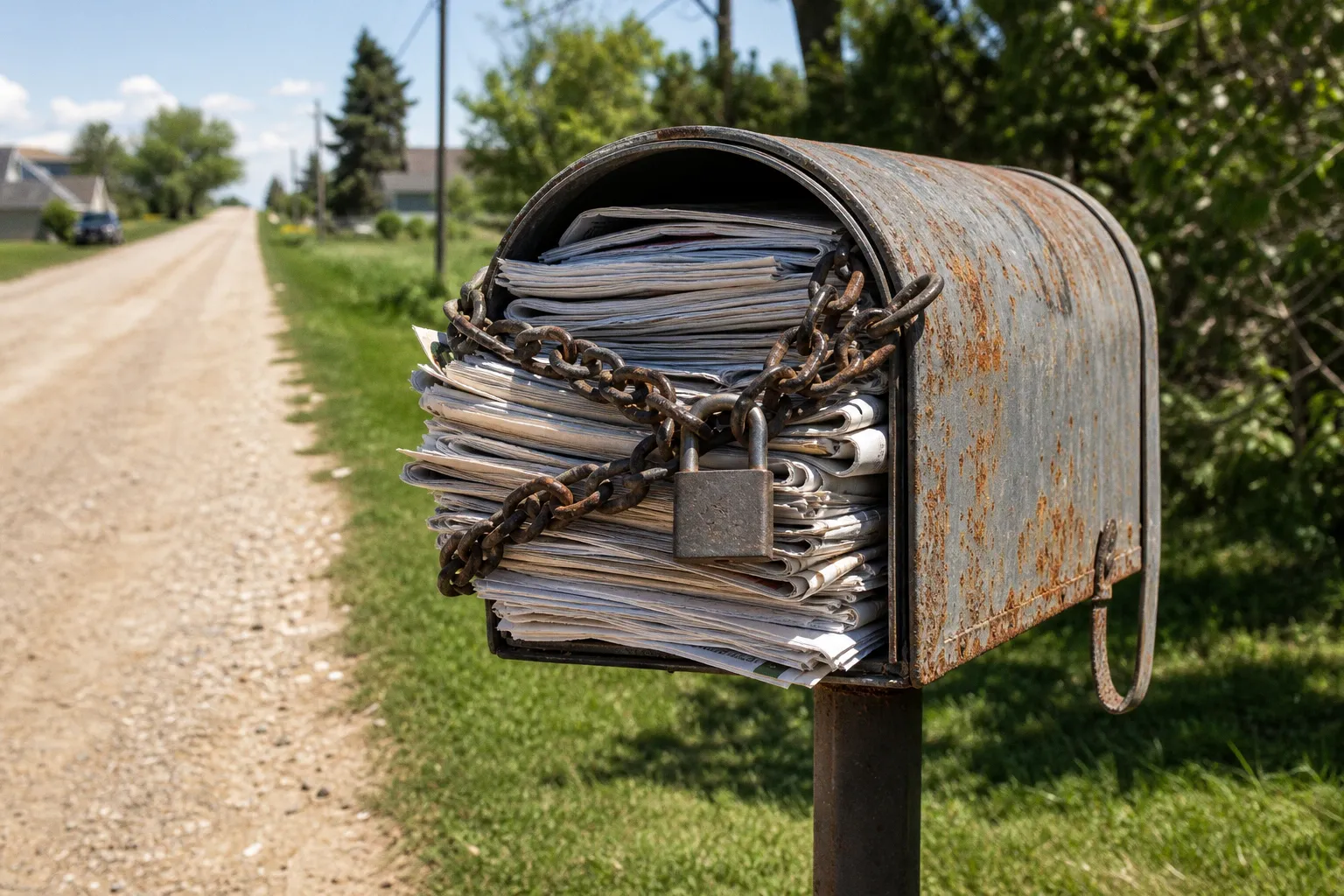
Let's walk through the mechanics, the history, and — most importantly — the practical paths you can take to access the news you want without burning cash on subscriptions you don't need.
The Four Paywall Models Publishers Actually Use
The word "paywall" gets thrown around like one single thing, but in practice there are four distinct models sitting between you and an article. Knowing which one you're up against changes everything about how you approach it.
| Model | How It Works | Typical Publishers | Reader Experience |
|---|---|---|---|
| Hard paywall | Blocks every article until you log in or pay | The Wall Street Journal, Financial Times | First click = wall. No sampling at all. |
| Metered paywall | Allows a set number of free articles per month, then locks | The New York Times, Washington Post, Bloomberg | You get 5–10 free reads before the counter resets. |
| Freemium paywall | Splits content into free basic stories and premium subscriber-only pieces | The Atlantic, The Guardian (selective) | Some sections fully open, others locked regardless of count. |
| Dynamic paywall | Uses AI to adjust restrictions based on your behavior, location, and engagement | The Globe and Mail, several mid-tier dailies | Sometimes you read five articles; other days you hit the wall after two. |
A hard paywall is the most aggressive — you'll see it on business and finance sites where every reader is treated as a potential subscriber. The New York Times uses a metered model, but it's worth noting that the count resets monthly, so the actual limit is per calendar cycle rather than per rolling 30 days.
The meter is doing two jobs at once: turning casual readers into subscribers and giving the publisher data on which stories convert best.
Dynamic paywalls are the newest and the most slippery. The system watches how often you visit, whether you arrived from search or social media, and whether you linger on a page. If you look like a casual visitor, you might sail through. If you look like a loyal reader who never subscribes, the wall appears faster.
How the Metered Model Became the Industry Standard
Paywalls didn't always look like this. For most of the web's first decade, online newspapers were free — funded by display advertising, and the assumption was that traffic equaled revenue. That broke down as ad rates collapsed and print circulation shrank.
The pivot point was March 2011, when The New York Times launched its metered paywall and became the first major U.S. daily to put a hard limit on free reading. The initial allowance was generous: 20 free articles per month. Less than a year later, in April 2012, the Times cut that limit to 10 articles per month, and the rest of the industry took notes.
What followed was a domino effect. Within five years, virtually every national daily — the Post, the LA Times, the Boston Globe, the Chicago Tribune — had adopted some version of the metered approach. Regional papers followed. Today, if you read news online in the U.S., Canada, the U.K., or Australia, you're almost certainly encountering a meter every time you click.
The shift wasn't just about revenue. Publishers realized that a wall also creates a relationship. A subscriber is a known reader whose email address, reading habits, and preferences can be tracked, marketed to, and retained. An anonymous visitor is just a number on an ad dashboard.
Technical Workarounds: What Still Works and What's Fading
A whole ecosystem of tools and tricks has grown up around paywalls, and the cat-and-mouse dynamic between publishers and bypass services is one of the defining features of this corner of the web. Some methods still work reliably; others have been shut down or made unreliable.
Browser-Based Methods
Disabling JavaScript on a page will sometimes defeat a paywall, because many meters rely on scripts to count your article views and trigger the overlay. In practice this only works on a small number of sites, and it often breaks the page layout. It's worth trying once, but don't expect miracles.
Web archiving services are a more reliable fallback. Archive.today (archive.ph) and the Internet Archive's Wayback Machine frequently have snapshots of articles captured before the paywall was triggered. If the piece you're after has any readership at all, there's a reasonable chance one of these archives cached a clean copy. Search the article title plus "site:archive.ph" and you'll often find it.
Browser Extensions
Extensions like Bypass Paywalls Clean exist specifically to strip metered overlays from news sites. They work on a large list of publications and are updated regularly as publishers change their detection methods. The trade-off is that you need to install a community-maintained extension, and its long-term reliability depends on the developers staying ahead of publisher countermeasures.
The 12ft.io Story
For several years, 12ft.io (sometimes called 12ft Ladder) was the most popular quick-fix: paste a paywalled URL into the site, get a clean copy back. That service was officially shut down on July 14, 2025, when its hosting provider terminated the operation following legal pressure from publishers and reports from the News Media Alliance.
The shutdown of 12ft.io wasn't just about one tool — it signaled that bypass services are now actively targeted by publisher coalitions, not just individual complaints.
This is the key trend to understand. A few years ago, the bypass ecosystem felt almost permanent; tools rose and fell but something always replaced them. Today, publishers have organized, and legal threats have real teeth. Relying on a single bypass tool is a fragile strategy.
Legal Alternatives That Actually Get You the Same Content
If you don't want to pay a personal subscription — or you only need access occasionally — there are several fully legal routes that publishers either endorse or tolerate. These are the options worth building into your regular reading routine.
Public Library Access
Most public library systems in the U.S., Canada, the U.K., and Australia now give cardholders free digital access to a long list of newspapers and magazines. The mechanism is simple: you log in with your library card number on a platform like Libby, OverDrive, or PressReader, and the publisher treats you as a verified institutional reader. The library pays the publisher on your behalf, usually through a bulk licensing deal.
Coverage varies by library. Larger urban systems (New York, Los Angeles, Chicago, Toronto) typically offer dozens of national and international titles. Smaller rural systems may only have a handful, but they often include the local paper and one or two majors.
Academic Databases
If you have access to a university login — current students, faculty, alumni through library partnerships, or even walk-in visitors to a college library in some states — you can read paywalled journalism through aggregators like JSTOR, ProQuest, EBSCO, and Factiva. These databases license content from publishers and make it available to authenticated academic users.
The catch is that not all newspaper archives are equally deep. Factiva is excellent for current and recent coverage; JSTOR's newspaper collection skews historical (most content is older than the paywall era). ProQuest falls in between.
Direct Author Contact
For academic and long-form journalism, emailing the author directly and asking for a PDF is still a respected norm in many fields. Reporters at smaller outlets often appreciate the request. This works best when you're reading a piece for research, citation, or genuine professional interest rather than casual browsing.
Bundled Access
Several credit cards, ISPs, and membership programs bundle newspaper subscriptions as a perk. If you already pay for a premium credit card or a university alumni network, check whether a digital news subscription is included — many users pay for access they didn't realize they had.
Choosing the Right Path for the Way You Read
There's no single "best" answer here, because the right choice depends entirely on how often you read, which outlets you follow, and what kind of budget you're working with. Here's a quick way to think about it:
| Reader Profile | Best Strategy |
|---|---|
| Casual reader, 1–2 articles per week | Rely on metered free articles + Archive.today fallbacks for the rest |
| Heavy reader, one or two favorite outlets | Direct subscription to those specific publications (often cheaper than a bundle) |
| Student or faculty | Use university JSTOR/ProQuest access first; supplement with library cards |
| Public library cardholder | Set up Libby/PressReader with your card; covers most major dailies at no cost |
| Newsletter and aggregator user | Many newsletters (Morning Brew, Axios, the FT's free tier) summarize paywalled stories legally |
| Budget-conscious generalist | Library access + careful metering across multiple sites covers 80% of needs |
The Honest Trade-Offs
If you read a single national paper daily, a direct subscription is almost always the most cost-effective path — most range from $4 to $25 per month, and annual plans typically save you 15–20%. Bundles like Apple News+ or PressReader's premium tier make sense if you read five or more outlets regularly; otherwise you're paying for access you'll never use.
Workarounds and bypass tools aren't free in any meaningful sense: they require maintenance, they break often, and the legal ground is genuinely unsettled. The publishers who operate paywalls are businesses with legal teams, and the recent crackdown on bypass services is the clearest signal yet that the tolerance window has closed.
Library access is the closest thing to a free lunch, but it's not universal. If you don't already have a library card, getting one usually takes ten minutes and proof of address. If you're a regular library user, ask the reference desk what digital newspaper access comes with your card — it's often more than the website suggests.
The Real Takeaway
Paywalls aren't going away, and the bypass era is closing faster than most casual readers realize. The good news is that the legal alternatives — particularly library access — have quietly become remarkably comprehensive over the past five years. If you haven't checked what your library card unlocks recently, that's the single highest-leverage step you can take. Pair that with selective subscriptions to the one or two outlets you actually read every week, and you'll cover the vast majority of your news consumption without ever hitting a paywall frustration again.
For everything else, the metered free articles plus a web archive search will get you through the long tail of occasional reads. The era of "trick the meter indefinitely" is over, but the era of "subscribe to everything" was never realistic in the first place. The middle path — knowing your options and choosing deliberately — is where the real savings are.